
Navigate to:
Conditions Symptoms Treatments Physicians Locations
Sports Medicine Conditions
Sports medicine conditions can affect athletes and active individuals at any level, from weekend warriors to competitive professionals. At Premier Orthopaedics, our specialists diagnose and treat a wide range of sports-related injuries and conditions involving the muscles, bones, joints, and connective tissues. From ligament and tendon injuries to fractures, cartilage damage, and overuse conditions, we provide personalized care designed to reduce pain, restore function, and help you return to the activities you enjoy. Explore the conditions below to learn more about common sports medicine injuries, their symptoms, treatment options, and when to seek specialized care.
-
Achilles Tendon RupturesAchilles tendon ruptures are sudden injuries that can occur during sprinting, jumping, or other high-impact activities. They may cause a popping sensation and significant pain, requiring prompt evaluation and treatment.
-
ACL, MCL, and PCL TearsACL, MCL, and PCL tears are common knee ligament injuries, particularly in sports involving jumping, pivoting, and rapid changes in direction. Treatment depends on the severity of the injury and the patient’s activity goals.
-
ACLACL injuries commonly occur during sports involving sudden stops, pivots, jumps, or changes in direction. Symptoms may include pain, swelling, instability, and difficulty bearing weight, often requiring specialized orthopedic evaluation.
-
Cartilage and Chronic DiscomfortCartilage damage and chronic joint discomfort can develop from repetitive activity, injury, or wear over time. Symptoms may include persistent pain, stiffness, and reduced mobility affecting an athlete’s ability to remain active.
-
Chronic TendinopathyChronic tendinopathy develops when repetitive stress and micro-trauma affect a tendon over time. It can cause persistent pain, tenderness, and reduced function, particularly in active individuals who participate in repetitive movements.
-
ConcussionA concussion is a form of head trauma that can occur during sports and physical activity. Proper evaluation, monitoring, and structured rehabilitation are important for recovery and a safe return to activity.
-
FracturesSports-related fractures are broken bones that can result from direct impact, falls, or significant physical force. Prompt diagnosis and appropriate treatment can help restore function and support a safe return to activity.
-
Joint DislocationsJoint dislocations occur when bones are forced out of their normal position, often following trauma or a sudden injury. Common locations include the shoulder, knee, and ankle, and prompt orthopedic evaluation is important.
-
Severe SprainsSevere sprains occur when ligaments are significantly stretched or torn, often affecting the ankle, knee, or wrist. Symptoms can include pain, swelling, instability, and limited movement following an injury.
-
Shin SplintsShin splints, also known as medial tibial stress syndrome, are an overuse injury associated with repetitive impact and physical activity. They commonly cause pain and tenderness along the lower leg, particularly in runners.
-
Stress FracturesStress fractures are small cracks in bone caused by repetitive stress and micro-trauma. They commonly affect the lower extremities and can develop in athletes participating in high-impact activities.
-
TendonitisTendonitis is inflammation or irritation of a tendon that can develop from repetitive stress and overuse. Common examples include Achilles tendonitis, patellar tendonitis, tennis elbow, golfer’s elbow, and shoulder tendonitis.


Our Sports Medicine Specialists
-
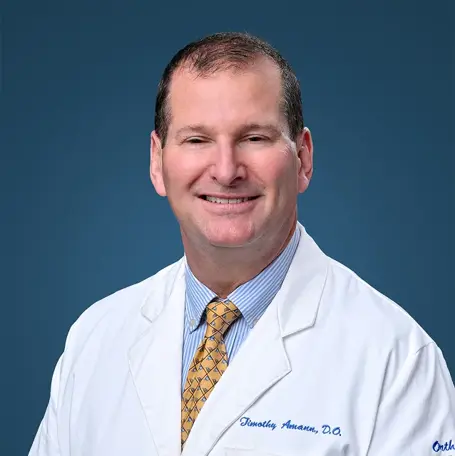
 Timothy Amann, DO
- Sports Medicine
-
David Baxter, DO
- Sports Medicine
-
John Benner, MD
- Sports Medicine
-
Misha Briere, DO
- Sports Medicine
-
Matthew Costa, DO
- Sports Medicine
-
Daniel Evering, DO
- Sports Medicine
-
Itai Gans, MD
- Knee
- Sports Medicine
-
Frank Giammattei, MD
- Sports Medicine
-
Juliana Heimur, DO
- Sports Medicine
-
Charles Hummer III, MD
- Knee
- Sports Medicine
-
Jack Kazanjian, DO
- Sports Medicine
-
Sara Low, MD
- Sports Medicine
-
R. Bruce Lutz, MD
- Sports Medicine
-
Robert Mannherz, MD
- Sports Medicine
-
James McGlynn, MD
- Hip
- Knee
- Sports Medicine
-
Todd Michener, MD
- Sports Medicine
-
Charles Odgers IV, MD
- Knee
- Sports Medicine
- Shoulder & Elbow
-
David Raab, DO
- Sports Medicine
-
Patrick Sajak, MD
- Sports Medicine
-
Dean Trevlyn, MD
- Knee
- Sports Medicine











Symptoms, Treatments & Risks
Sports medicine is a specialized field dedicated to preventing, diagnosing, treating, and rehabilitating injuries related to physical activity and athletic performance. Whether you are a high school athlete, a weekend warrior, or someone who enjoys daily exercise walks, sports medicine plays a vital role in keeping you active and pain-free.
Premier Orthopaedics delivers comprehensive, compassionate care across more than 35 convenient locations in Greater Philadelphia and the Delaware Valley. Our sports injury doctors understand your goals and are committed to helping you return to the activities you love safely and efficiently.
Symptoms: When to See a Sports Injury Doctor
It is common to brush off workout aches, but persistent or worsening discomfort often signals a issue requiring professional care. You should schedule an evaluation with a specialist if you experience:
- Acute Pain: Sudden, sharp discomfort resulting from a specific incident, fall, or impact during activity (such as a popping sound or immediate localized pain).
- Chronic Joint Pain & Aches: Persistent soreness in your feet, ankles, knees, hands, wrists, shoulders, or elbows that does not subside with rest.
- Functional Changes: Noticeable reductions in mobility, limited range of motion, or decreased athletic performance.
- Overuse Indicators: Pain or tenderness that develops gradually over time due to repetitive stress from activities like running or swimming.
Treatments & Specialized Care
Our sports medicine team specializes in diagnosing and treating both sudden traumatic events and gradual overuse issues, tailoring care to your lifestyle and athletic goals.
- Acute Injury Care: Prompt diagnostic evaluation and treatment for sudden traumas to prevent long-term damage, including:
- Sprains and strains
- Fractures and broken bones
- Joint dislocations
- Rotator cuff injuries and knee trauma
- Concussions and neck injuries
- Repetitive & Overuse Injury Management: Targeted rehabilitation and non-invasive or surgical protocols for gradual strain issues, including:
- Tendonitis and shin splints
- Stress fractures
- Shoulder impingement
- Rehabilitation & Prevention: Customized recovery strategies designed to rebuild strength, restore full mobility, and prevent future setbacks.
For a comprehensive list of specific causes, check our common conditions.
Risks of Delaying Care
Ignoring a sports injury or attempting to train through pain can severely impact your health and longevity in physical activities. Key risks include:
- Secondary Physical Trauma: Allowing minor strains or structural weakness to go unaddressed increases your risk of sustaining additional, more severe injuries.
- Long-Term Setbacks: Untreated acute conditions can transition into chronic joint pain, permanent stiffness, or persistent structural damage.
- Degraded Performance: Unaddressed discomfort leads to altered biomechanics, decreased mobility, and sustained drops in athletic output.
- Extended Recovery Timelines: The longer an injury is neglected, the more complex and lengthier the rehabilitation process becomes.
Whether you're dealing with a recent injury or years of chronic pain, our orthopaedic specialists create personalized treatment plans that reduce pain, restore movement, and help you live more comfortably.